
The Stories, Traditions and Flavours Behind the Christmas Season Favourites
Christmas is a season filled with familiar sights, joyful gatherings and, of course, delicious food. From golden roasted meats and comforting side dishes to rich puddings, gingerbread and chocolate desserts, certain foods have become closely associated with the festive season. Every year, families and friends look forward to enjoying these traditional favourites, often preparing dishes that have been passed down through generations.
But have you ever wondered why certain foods are considered Christmas favourites? Their popularity is not simply about taste. Many have fascinating historical backgrounds, cultural influences and traditions that have gradually shaped the way people celebrate Christmas today.
Roast Turkey: The Centrepiece of Christmas Dining
Few dishes are as recognisable as a beautifully roasted turkey served during Christmas dinner. Its golden skin, tender meat and generous portions make it a popular centrepiece for family gatherings and festive celebrations. However, turkey was not always the traditional Christmas meat. In medieval Europe, wealthy households often served roasted boar, goose, beef and other meats during major celebrations. Turkey was introduced to Europe from the Americas during the 16th century and gradually gained popularity as a festive dish.
Its association with Christmas became particularly strong during the Victorian era in Britain. As transportation and food distribution improved, turkey became more accessible to households beyond the wealthy. Over time, it developed into one of the most recognised symbols of Christmas dining. Today, different countries have adopted their own festive main courses, from roasted chicken and beef to baked ham and seafood. Regardless of the choice, the main attraction remains the same: a special dish prepared to be enjoyed and shared around the dining table.
Christmas Pudding: A Dessert with Centuries of History
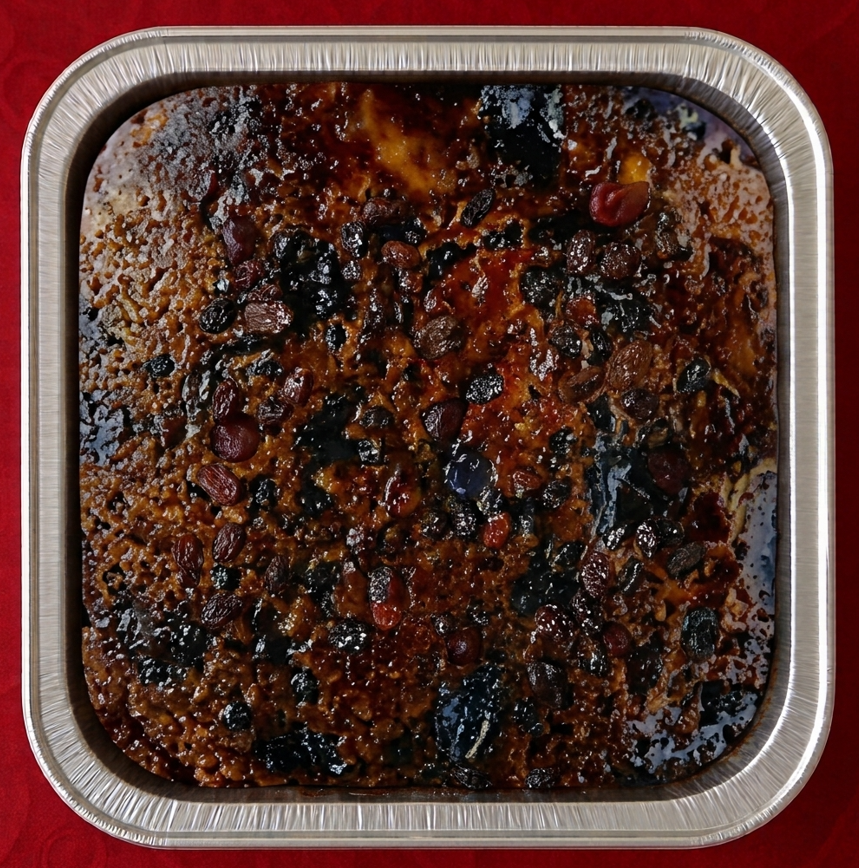
Christmas pudding is one of the oldest festive desserts associated with British Christmas traditions. Its origins can be traced back to medieval dishes known as plum porridge, which were originally savoury preparations containing meat, dried fruits, spices and grains. Over several centuries, the recipe gradually evolved. Meat became less prominent, while dried fruits, sugar, flour and warming spices took centre stage. By the Victorian period, Christmas pudding had become a familiar festive dessert.
One of its most recognisable traditions is the addition of brandy, sometimes ignited before serving to create a dramatic blue flame. The pudding is also traditionally decorated with holly, making it a memorable centrepiece for the Christmas table. Beyond its ingredients, Christmas pudding represents continuity and family traditions. Some households still follow recipes that have been preserved for generations, making its preparation an important part of their annual celebrations.
Gingerbread: The Sweet Smell of Christmas
Gingerbread is another festive favourite that brings warmth and nostalgia to the Christmas season. Its distinctive combination of ginger, cinnamon, nutmeg and other spices creates an aroma that many people associate with winter celebrations. The use of spices in European festive cooking dates back centuries. During medieval times, spices were valuable ingredients brought through international trade routes. Because they were relatively expensive, they were often reserved for special occasions and celebratory meals.
Gingerbread gradually developed into different forms, including biscuits, cakes and decorative creations. Gingerbread houses became particularly popular through European traditions, inspired in part by the famous fairy tale Hansel and Gretel.
Today, gingerbread men, decorated biscuits and gingerbread houses are popular Christmas activities, especially for families with children. Decorating them together provides an opportunity for creativity, laughter and bonding, making the experience just as enjoyable as eating the finished treats.
Yule Log Cake: A Dessert Inspired by an Ancient Tradition
The Yule Log cake, also known as Bûche de Noël, is a traditional Christmas dessert originating from France. It is designed to resemble a wooden log, usually made from rolled sponge cake filled with cream and covered in chocolate frosting or ganache. Its inspiration comes from an older European custom of burning a large wooden log during the winter season. The Yule log symbolised warmth, good fortune and prosperity for the household.
As traditional fireplaces gradually became less common, the edible version developed into a festive dessert that preserved the symbolism in a different form.
The cake is often decorated with chocolate bark patterns, powdered sugar resembling snow, berries and small festive decorations. Its appearance makes it particularly suitable for Christmas gatherings, where desserts are not only enjoyed for their flavours but also appreciated as part of the festive presentation.
Mince Pies: A Small Treat with a Big History
Mince pies are among the most recognisable Christmas treats in Britain. These small pastries are traditionally filled with a mixture of dried fruits, spices, sugar and sometimes nuts.
Interestingly, their original versions were quite different from the sweet pastries enjoyed today. Historical recipes included minced meat, such as beef or mutton, combined with dried fruits and spices. Over time, the meat gradually disappeared from most traditional recipes, leaving behind the sweet fruit-based filling that is now widely recognised.
The combination of cinnamon, nutmeg, cloves and dried fruits gives mince pies their distinctive festive character. They are commonly served with cream, custard or enjoyed alongside a warm drink. Their small size also makes them ideal for sharing, offering guests a simple festive treat without requiring a large dessert portion.
Roast Potatoes and Festive Vegetables: The Perfect Companions
While roasted meats often receive the most attention, side dishes are equally important in creating a complete Christmas meal.
Crispy roasted potatoes, Brussels sprouts, carrots, broccoli and other seasonal vegetables have become familiar additions to many traditional Christmas dinners. These ingredients provide different textures, colours and flavours that complement richer main courses. Roasted potatoes offer a golden, crispy exterior with a soft centre, while vegetables bring freshness and balance to the overall meal.
Brussels sprouts, in particular, have developed a strong association with British Christmas dining. Although not everyone’s favourite vegetable, they remain a familiar part of the traditional festive table.
Why Food Plays Such an Important Role in Christmas Celebrations
Beyond individual recipes and historical origins, food has always played an important role in bringing people together during Christmas. Festive meals encourage families to spend time with one another, reconnect with relatives and create opportunities for conversations that might not happen during ordinary working days. Preparing food together can also become a meaningful family activity, allowing recipes, cooking techniques and traditions to be passed between generations.
Food is also a way of expressing generosity and hospitality. Preparing a special meal for guests, sharing desserts with neighbours or organising a festive gathering for colleagues are all ways of spreading Christmas cheer. Interestingly, Christmas food traditions are not identical everywhere. Different countries and communities have their own festive specialities, influenced by local ingredients, cultural practices and family customs. What matters most is not necessarily following a particular menu, but enjoying the occasion with people who matter.
Creating New Christmas Food Traditions
While traditional Christmas favourites continue to hold a special place in festive celebrations, there is always room for new dishes and experiences.
Modern Christmas gatherings often combine familiar classics with contemporary creations, offering guests a wider selection of flavours. From baked pasta and seafood dishes to festive roasts, savoury pastries and creative desserts, today’s Christmas tables reflect changing tastes and lifestyles. For families hosting celebrations at home, offices organising year-end parties or friends arranging festive reunions, having a variety of food choices can make the occasion more enjoyable for everyone.
Ultimately, Christmas is not about having the most elaborate meal or serving the most expensive dishes. It is about creating an atmosphere where people feel welcome, appreciated and connected.
The Real Taste of Christmas Is in Sharing
The stories behind Christmas favourites remind us that food is much more than something we eat. Every traditional recipe carries a little history, every family meal creates an opportunity for bonding, and every shared dish can become part of a lasting memory.
As another festive season approaches, perhaps the most meaningful Christmas tradition is simply making time for one another. Whether it is a traditional Christmas pudding, a beautifully prepared roast or a table filled with everyone’s favourite dishes, the greatest enjoyment comes from sharing the experience.
After all, the best Christmas memories are often made around the dining table, surrounded by good food, laughter and the people we love.
Share the Christmas Joy with Captain Shrimp's Christmas Delivery Set Menu
Christmas is best enjoyed when good food is shared with the people around us. From passing favourite dishes across the table to enjoying different flavours together, these simple moments make festive gatherings meaningful. After all, the joy of Christmas is not just about what we eat, but the memories we create while sharing a meal.
Bringing this sharing spirit into the festive season, Captain Shrimp Petaling Jaya presents its Christmas Delivery Set Menu for Christmas and New Year 2026. Featuring a selection of festive favourites, comforting dishes and delicious treats, the menu is designed for sharing with family, friends and colleagues. Whether it is a cosy family gathering at home or a lively office celebration, enjoy more time with your guests while leaving the food preparation to us.
Available from 20 November 2026 to 2 January 2027, Captain Shrimp’s Christmas & New Year 2026 Food Carnival brings convenient, value-for-money festive dining to your celebrations.
Gather around, share the food and create wonderful Christmas memories together.